
Buying your first motorhome is exciting — and a little daunting. Most first-time buyers arrive with the obvious questions sorted: budget, berths, layout. But it’s the things nobody thinks to ask about that end up causing the most head-scratching a few months down the line.
After nearly 20 years buying, selling and part-exchanging motorhomes, campervans and caravans across the UK, we’ve seen the same surprises catch out new buyers time and again. Here are three of the big ones — plus what to do about them before you sign anything.
1.THE “ON-THE-ROAD” PRICE ISN’T THE WHOLE STORY
When you’re comparing motorhomes, it’s tempting to focus purely on the headline price. But that figure rarely tells you the full cost of getting on the road and staying there.
Get a quick motorhome insurance quote from Caravan Guard

Habitation checks and servicing: a motorhome has two separate mechanical systems — the vehicle itself (engine, brakes, tyres) and the “habitation” side (gas, water, electrics, appliances). Most experienced owners get an annual habitation check on top of a standard MOT and service. Skipping this doesn’t just risk breakdowns — it can also affect your insurance and any warranty claims down the line.

Storage: unless you’ve got a driveway or land big enough to park a 6-7 metre vehicle, you’ll likely need secure storage. Costs vary a lot by region, so get a few quotes locally before committing to a particular size or layout.
Insurance: specialist motorhome insurance is a different beast to standard car cover, and premiums depend on vehicle value, use, and where it’s kept. Always worth getting a proper quote from a specialist provider rather than assuming your existing insurer will simply “add it on.”
Ongoing running costs: fuel economy, road tax banding, and campsite or Aire fees all add up. None of this should put you off — motorhoming remains excellent value against traditional package holidays over time — but budget realistically from day one.
Every vehicle we sell comes with a comprehensive warranty and MOT, and our team can talk you through the true cost of ownership before you buy — not just the sticker price.
2. NEW VS USED ISN’T AS SIMPLE AS BUDGET
A lot of first-time buyers assume the new-vs-used decision comes down purely to how much they’ve got to spend. In reality, there are a few other factors worth weighing up.
Depreciation works differently than cars: motorhomes generally hold their value better than the family car, especially well-known brands like Swift, Autotrail, Bailey and Knaus. A well-maintained three or four-year-old motorhome can represent excellent value, having already absorbed the steepest depreciation hit.
Waiting lists: new motorhome orders can involve lead times of several months, particularly for popular layouts. Worth checking before you fall in love with a particular new model.

Known issues vs unknowns: a used motorhome with full service history and a reputable dealer behind it gives you visibility other private sales simply can’t. Buying privately might look cheaper on paper, but it removes the safety net of warranty and professional inspection.
Finance considerations: finance is available on both new and used vehicles through specialist providers like Pegasus Finance, so this shouldn’t be the deciding factor between new and used on its own — it’s more about matching the vehicle to how and when you’ll actually use it.
There’s no universally “right” answer here — it depends on your budget, timeline, and how much you value that manufacturer-fresh feeling versus proven reliability at a lower price point.
3. LAYOUT MATTERS MORE THAN ALMOST ANYTHING ELSE
This is the one that trips up more first-time buyers than any other. It’s easy to be drawn in by a motorhome’s overall look, brand, or price — and only think properly about layout once you’re a few months into ownership.
Fixed bed vs make-up bed: a fixed bed means less daily faff but eats into garage/storage space and can feel more cramped when parked up during the day. A make-up bed gives more living space in the day but means setting up and packing away bedding each night. Neither is “better” — it’s about how you’ll actually use the vehicle.
Washroom position and size: some layouts tuck the washroom away at the back; others put it centrally. Matters more than most buyers expect if planning long trips or full-time living.
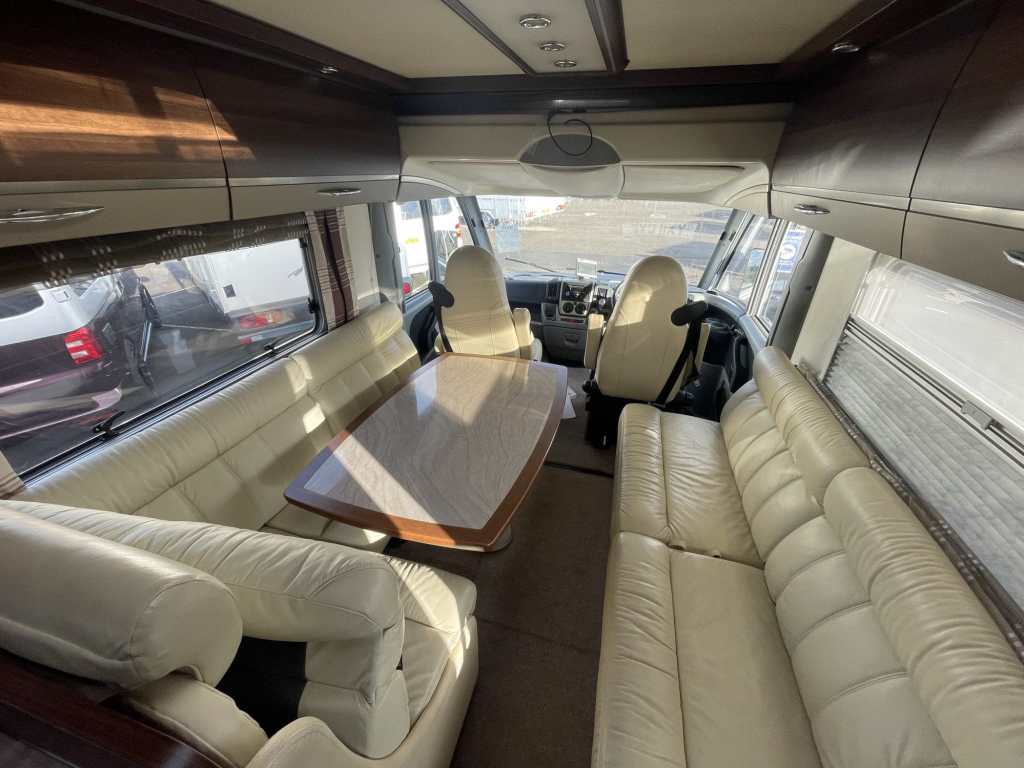
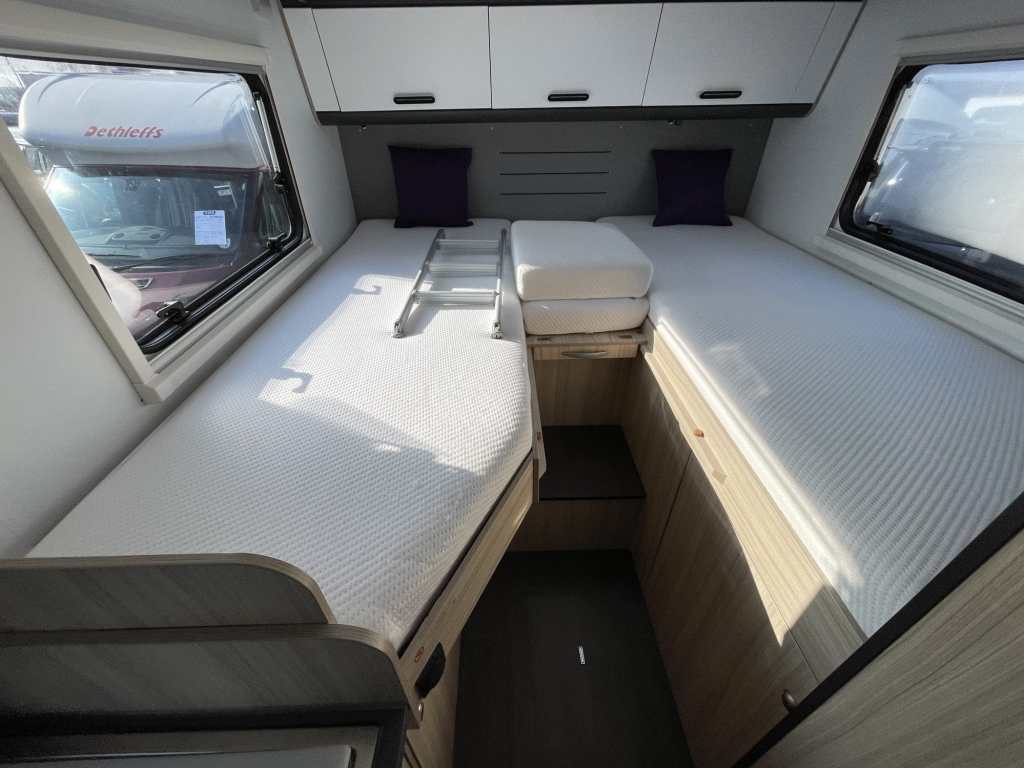
Practical storage vs show-home looks: a beautifully finished showroom photo doesn’t always translate to good day-to-day storage for clothes, outdoor gear, and kitchen essentials. Open a few cupboards. Check where the bins go. Think about where wet coats and shoes end up.
Number of berths vs how you’ll actually travel: a 4-berth sounds sensible for a family of four — but if you’re regularly travelling as a couple with occasional guests, a smaller, more manoeuvrable vehicle with an occasional extra berth might suit you better day-to-day.
The best way to get this right is to physically get inside as many layouts as you can before deciding. Photos and spec sheets only tell you so much.
WHERE TO GO FROM HERE
None of this is designed to put you off — motorhoming is genuinely one of the best ways to see the UK and further afield. The trick is simply knowing what to look out for before you commit, not after.

Viewings are available by appointment (please note we don’t offer weekend test drives) — just get in touch and we’ll find a time that works.
Ready to see what’s in stock? Browse our current motorhomes and campervans: Home
Want more detail before you buy? Read our full Motorhome Buying Guide: Blog
Got a quick question? WhatsApp us on 07999 530938 — we’re happy to help, no pressure